




Our Story
Shaped by California culture, community, and what happens in the space.
Our Story
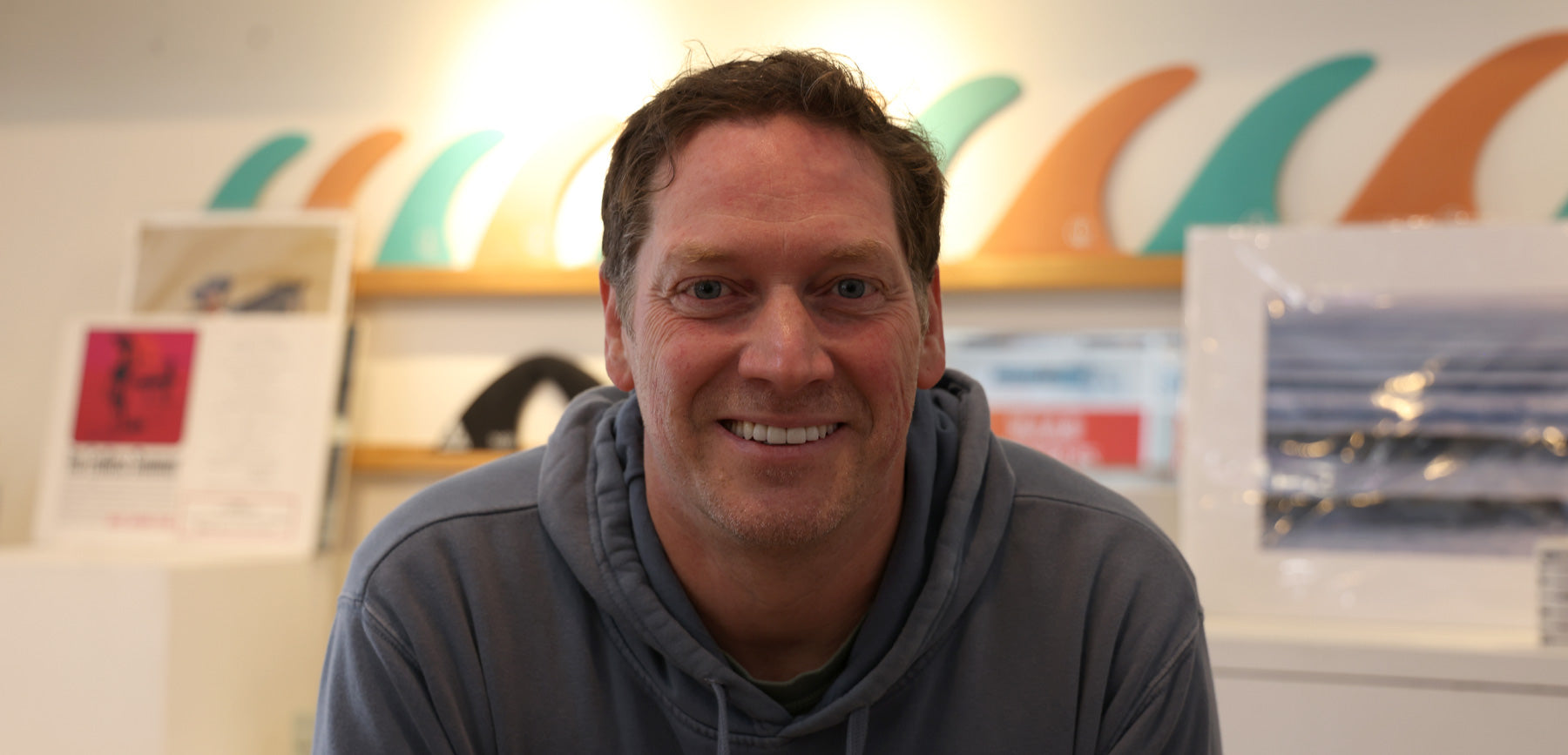
Sunny California is a neighborhood surf shop and lifestyle brand rooted in California coastal culture. Founded by creative director David McIntosh, the brand grew out of the beloved Midtown Surf Shop and a desire to build a community first space that brings together surf, art, music, and everyday coastal living.
Based on the Central Coast, with locations in Carmel by the Sea and Santa Cruz, Sunny California offers a thoughtful mix of surfboards, wetsuits, apparel, accessories, art, and gifts shaped by life along the coast. The focus is simple: warm hospitality, real neighborhood connection, and ongoing collaboration with California based artists, designers, and surfboard shapers.
The flagship location in Santa Cruz brings it all together. A surf shop, a rotating art gallery, and a flexible space for live music, film premieres, and community gatherings. It is built to reflect the rhythm of Santa Cruz and the creative energy that runs through California’s coastal communities.

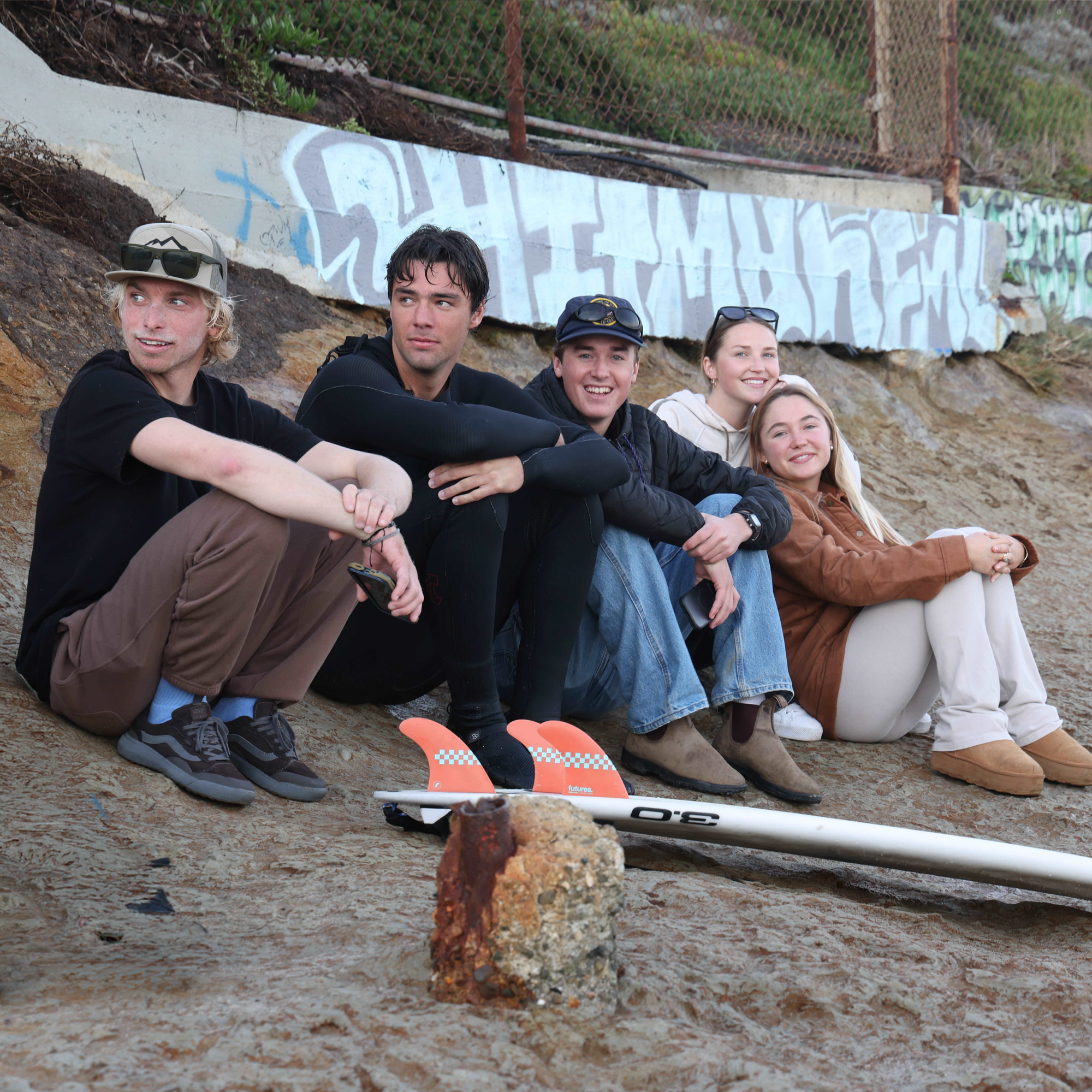

“It feels more like a living room for the neighborhood than a shop.”
Sunny California is built to be experienced. The shop is designed to feel open and easy to spend time in. There is a coffee bar, places to sit, and a gallery that gives local artists a place to show their work. Events, film nights, live music, and a small stage all take shape within the same space, alongside a podcast that brings in local voices and stories from Santa Cruz. Nothing is treated as separate. It is all part of the same environment.
What we carry reflects that same approach. Everything in the shop is sourced from California whenever possible, from boards shaped along the coast to apparel, gear, and artwork created by people who are part of the same communities. Labels like Vissla, Futures, Flojos, Sunski, and Timmy Patterson sit alongside a growing selection of used boards from around the Central Coast. Surf and motorcycles are a big part of what we’re into, and the shop reflects that, with a dedicated selection of moto gear that fits naturally into the space.
It is less about filling space and more about supporting the people who make the culture. When something is picked up here, it connects back to the shapers, designers, and artists behind it.